
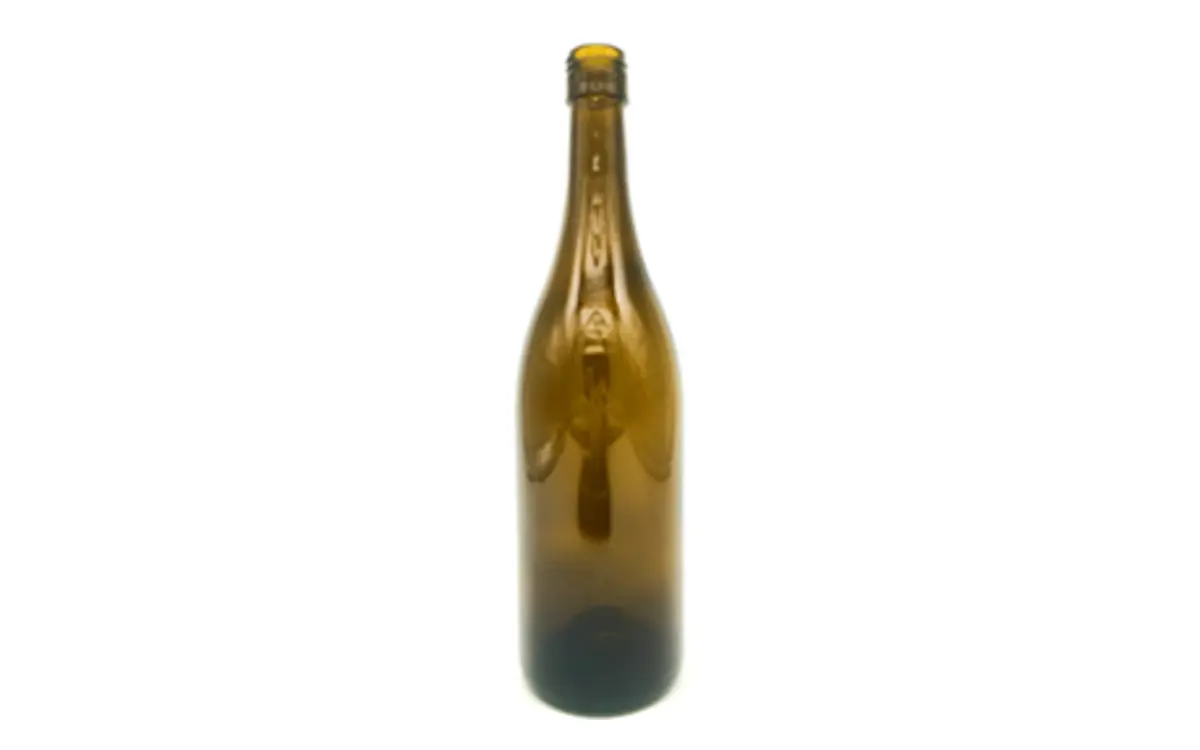
A 750 mL capacity alone does not define a bottle · Two bottles with the same nominal volume can differ in diameter, height, finish, weight, punt, color, label panel and packing configuration
Use the commercial 750 mL Wine Bottles page to shortlist available models, then use this checklist to confirm the complete packaging requirement before quotation and sampling
1 Confirm geometry and capacity
Start with the model code and controlled drawing rather than a reference photograph alone · Confirm nominal volume, brimful or overflow capacity when relevant, maximum diameter, total height, body shape, shoulder profile, label panel and punt
- State dimensional tolerances required by the filling and packing equipment
- Confirm whether height includes the closure or bottle only
- Identify conveyor, rinser, filler, labeler and case constraints
- Record the exact drawing revision approved for sampling
2 Define finish and closure as one system
The finish must match the intended cork, screw cap or other closure and the application method · A similar-looking neck is not confirmation of fit
- Finish standard and critical dimensions
- Closure type, material and supplier reference
- Cork insertion, cap application or torque conditions
- Liner, capsule and tamper-evidence requirements
- Validation method using the selected closure and filling process
3 Confirm weight, color and decoration
Bottle weight affects handling, packing and the intended presentation, but heavier is not automatically better · Confirm the approved weight and tolerance for the selected model
- Glass color and acceptable reference standard
- Label, screen printing, coating, frosting, embossing or other decoration
- Artwork area, registration and decoration tolerance
- Compatibility of decoration with filling, washing and distribution conditions
4 Define packing and sample evaluation
Packing should be reviewed around the actual bottle geometry and transport route · Sample approval should verify the bottle, closure, label or decoration and handling system together
- Units per carton or tray and divider requirements
- Pallet size, stacking pattern and maximum handling constraints
- Export marks and documentation requirements
- Sample quantity and evaluation purpose
- Checks for appearance, dimensions, finish, closure fit, filling, labeling and pack-out
Information to include in the RFQ
| Input | What to provide | Why it matters |
|---|---|---|
| Bottle | Model code or reference drawing, 750 mL nominal volume, color | Identifies the intended container |
| Geometry | Diameter, height, finish, punt and label panel constraints | Checks line and pack compatibility |
| Closure | Closure drawing or sample and application method | Controls fit and sealing evaluation |
| Decoration | Artwork, process, colors and decorated area | Defines feasibility and approval samples |
| Packing | Case, divider, pallet and destination requirements | Supports packing design and quotation |
| Project | Sample need, order estimate, destination and target schedule | Allows project-specific confirmation |