
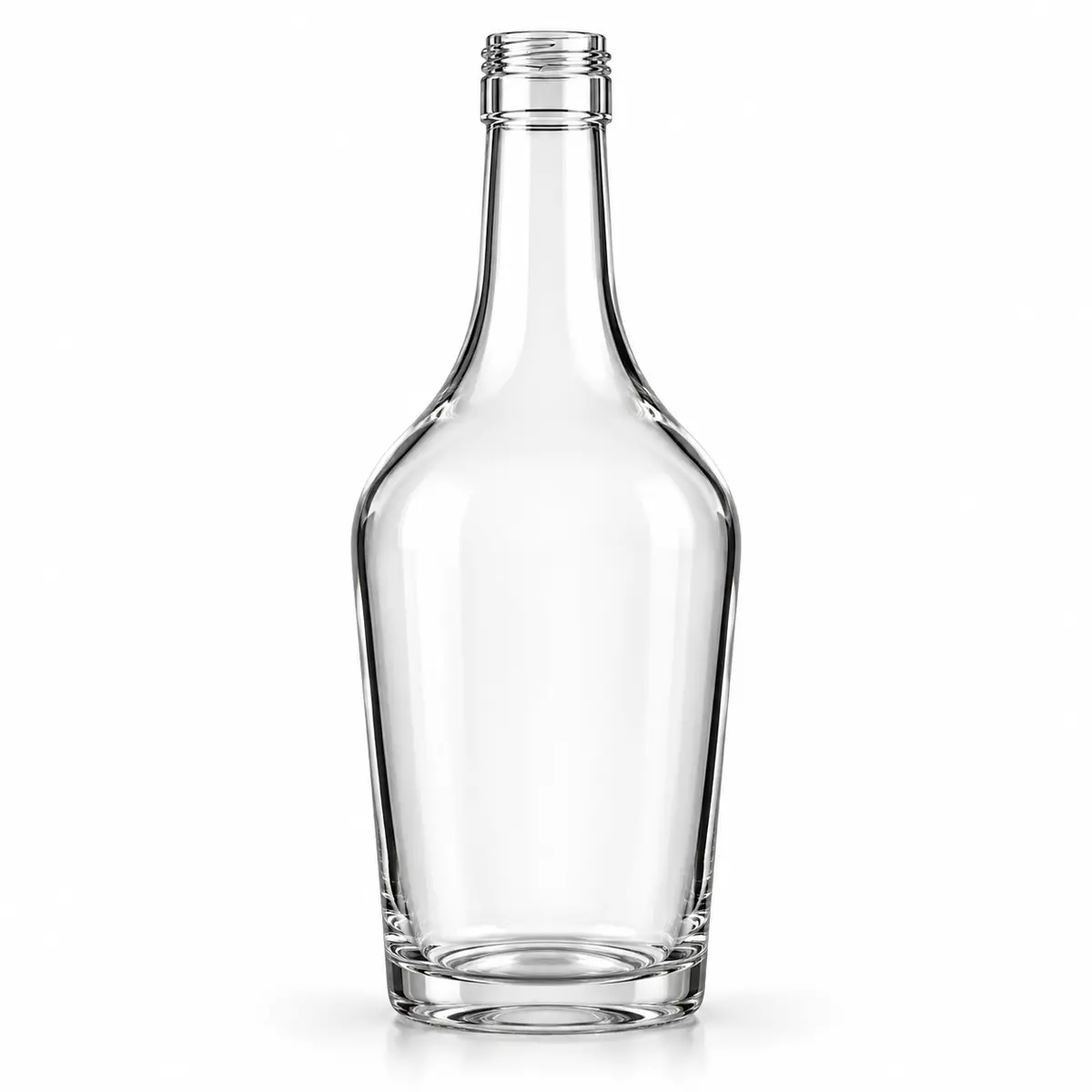
Capacity is only the first decision · Bottles at 500 mL, 700 mL and 750 mL can be short, tall, round, rectangular or flask-shaped, with different weights, finishes and decoration areas
Confirm legal pack sizes and labeling rules for every destination with the responsible regulatory adviser · In the United States, current TTB guidance lists 500 mL, 700 mL and 750 mL among authorized distilled-spirits standards of fill · In the European Union, Directive 2007/45/EC lists 500 mL and 700 mL for spirit drinks within its regulated range, but not 750 mL
Capacity comparison for project planning
| Capacity | Useful selection question | Packaging points to review |
|---|---|---|
| 500 mL | Is a smaller-format SKU appropriate for the product and destination | Bottle proportions, shelf presentation, label area, closure and case count |
| 700 mL | Is 700 mL required or preferred for the target channel or geography | Declared volume, fill level, closure, carton and pallet pattern |
| 750 mL | Is 750 mL approved and aligned with the target market and portfolio | Bottle weight, line height, label panel, case weight and distribution test |
Compare proportions, not just milliliters
A capacity change does not scale every dimension equally · Review the actual model drawings and samples to understand shelf presence, apparent fill, center of gravity, label panel and equipment contact points
- Maximum diameter and total height
- Shoulder, body and base geometry
- Bottle weight and weight distribution
- Punt or push-up geometry
- Stable contact areas for conveyors and guides
Coordinate closure and decoration
A multi-capacity family may use a common finish, but this must be confirmed from the controlled drawings · Decoration should be checked on each bottle because curvature and panel height can change
- Finish dimensions and closure application method
- Cork, cap, liner and tamper-evidence system
- Label die-line and clearances
- Screen-print, coating, embossing or frosting area
- Filled-product compatibility and validation plan
Review logistics with actual pack data
Do not assume the smaller nominal volume always produces the lowest delivered cost · Bottle weight, case count, divider design, pallet pattern and damage-control requirements all influence the final pack
- Packed case dimensions and gross weight
- Divider and tray design
- Cases per layer and layers per pallet
- Container loading and destination handling
- Test method for the agreed packed configuration
Before requesting a quotation
- Destination countries and channels
- Required nominal capacity and acceptable alternatives
- Preferred shape, weight range and glass color
- Finish and closure specification
- Decoration and artwork requirements
- Packing, pallet and sample requirements
- Forecast quantity and target schedule for project review